
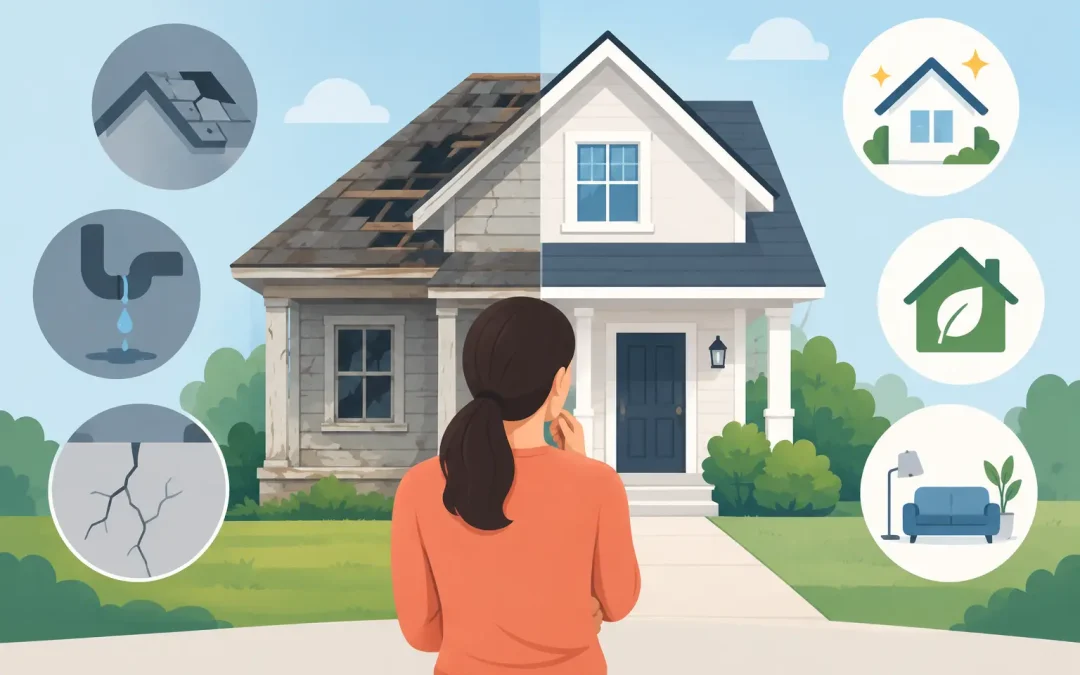
A home can reach a point where another cosmetic update feels like putting fresh paint over a problem that runs much deeper. If you are asking, “should I rebuild my home?” you are likely weighing more than finishes. You may be dealing with an outdated layout, recurring repairs, seismic concerns, limited space, or a property that no longer supports the way your family lives.
For Bay Area homeowners, the answer is rarely a simple yes or no. A full rebuild can create a home designed around your life, but it also comes with a larger budget, longer timeline, and more extensive permitting process. In other cases, a whole-home remodel, addition, or ADU can achieve the result you want while preserving the parts of the existing home that still make sense.
Should I Rebuild My Home or Remodel It?
The most useful question is not whether rebuilding is better than remodeling. It is whether the existing structure is worth saving.
A remodel is usually a strong option when the home has sound bones, the foundation and framing are in good condition, and the layout can be improved without major structural changes. Updating the kitchen, bathrooms, systems, windows, insulation, and finishes can completely change how an older home performs and feels.
Rebuilding becomes more compelling when the work needed to modernize the home starts touching nearly every system at once. If walls must move, the roof needs replacement, plumbing and electrical need full upgrades, the foundation needs substantial work, and the floor plan still does not meet your needs, a new build may offer better long-term value.
The decision often comes down to the level of compromise. Remodeling works best when it lets you keep meaningful parts of the home without forcing your future plans into an outdated footprint. Rebuilding makes sense when starting fresh gives you a more functional, efficient, and durable result.
7 Signs a Home Rebuild May Make Sense
No single issue automatically means demolition is the right path. However, several major concerns together can signal that a rebuild deserves serious consideration.
- The foundation or framing needs extensive repair. Cracks, settlement, moisture damage, termite damage, or inadequate structural support can turn a seemingly straightforward renovation into a major reconstruction project. In earthquake-prone parts of the Bay Area, seismic upgrades may also be a central part of the scope.
- The layout cannot support how you live. Small enclosed rooms, a disconnected kitchen, narrow hallways, limited storage, or a lack of indoor-outdoor flow can be difficult to solve within the current footprint. A rebuild allows the floor plan to begin with your priorities rather than the limitations of a decades-old design.
- Core systems are at the end of their life. Older plumbing, electrical panels, wiring, HVAC equipment, roofing, and insulation can require broad replacement. When several systems need attention at the same time, the cost difference between a deep remodel and a new home may narrow.
- You need substantially more square footage. A modest room addition can be an excellent solution. But if you need multiple bedrooms, a larger kitchen, a primary suite, accessible living space, or a separate area for multigenerational family members, rebuilding may create a more coherent home than patching together several additions.
- The property has stronger potential than the current house. Many Bay Area lots contain older, undersized homes on valuable land. If zoning, setbacks, height limits, and local regulations allow it, a replacement home may better use the property while improving comfort and resale appeal.
- You plan to stay for many years. A rebuild is easier to justify when it supports a long-term plan. Homeowners who expect to stay for a decade or more can prioritize durable materials, energy performance, aging-in-place features, and a layout that will continue working as their needs change.
- The remodel budget is approaching new-construction territory. This is not a reason to rebuild automatically, but it is a reason to compare options carefully. A detailed feasibility review can show whether preserving the existing home truly saves money after structural work, code upgrades, temporary protection, and unforeseen conditions are considered.
The Real Cost Comparison: Rebuild vs. Major Remodel
It is tempting to compare a remodel and rebuild by price per square foot alone. That number does not tell the whole story.
A remodel may appear less expensive at first because some walls, foundations, and utilities remain in place. Yet existing homes can create uncertainty. Once construction begins, crews may uncover hidden water damage, undersized framing, outdated wiring, unpermitted past work, or soil and drainage problems. These conditions can affect both cost and schedule.
A rebuild typically has a higher upfront scope because it includes demolition, new plans, engineering, permits, utility coordination, and complete construction. In return, it offers more predictability in the finished structure and greater control over every major decision, from room placement and ceiling heights to insulation, windows, electrical capacity, and future-ready features.
The best comparison looks beyond the construction contract. Consider temporary housing, financing, property taxes, insurance, landscaping, utility upgrades, and the value of the finished home. Also consider what you would need to compromise on if you remodeled. Saving an existing structure is not a bargain if it leaves you with a layout you will outgrow in a few years.
Bay Area Permits Can Change the Decision
San Francisco, Oakland, San Jose, Berkeley, Redwood City, and neighboring jurisdictions each have their own planning and building requirements. A rebuild may trigger different reviews than a renovation, including zoning analysis, setback compliance, height limits, design review, tree requirements, utility changes, and current building-code standards.
That does not mean a rebuild is impractical. It means the planning stage matters. Before committing to a direction, homeowners should understand what can be built on their lot and what approvals are likely required. In some cases, a carefully planned addition or whole-home remodel provides a faster path. In others, the property supports a replacement home that is far better aligned with the owner’s goals.
A design-build team can evaluate these paths early, coordinating architectural planning, engineering needs, permit strategy, budgeting, and construction sequencing under one accountable process. That is especially valuable when a project involves major structural changes or a combination of a primary residence, addition, garage conversion, or ADU.
What to Decide Before You Choose
Start with how you want to live in the home five, ten, and fifteen years from now. Do you need flexible space for family, a home office, an accessible first-floor bedroom, better entertaining areas, or rental income from an ADU? Your answers should drive the project, not the existing wall locations.
Next, separate your must-haves from your nice-to-haves. A homeowner who needs one additional bedroom may not need a rebuild. A homeowner who wants an open kitchen, larger living areas, a new primary suite, upgraded systems, improved seismic performance, and a separate unit for family may be looking at a much more comprehensive project.
Then get a professional assessment of the property. A contractor should examine the visible condition of the structure, discuss your goals, identify likely constraints, and help you compare practical options. Good Vibes Design & Build can manage every detail from early design and plans through permitting, construction, and the final walkthrough, so you are not left coordinating separate professionals on a complex project.
A Rebuild Is About More Than a New House
Choosing to rebuild is not simply choosing newer materials. It is an opportunity to correct the frustrations that have followed you around the house for years: the kitchen that isolates the cook, the dark hallway, the cramped bedrooms, the lack of storage, or the rooms that never quite fit your family.
Still, a rebuild is not always the best answer. A well-planned whole-home remodel can transform an existing house from top to bottom while retaining the character, location, and structural value that made you buy it in the first place. The right path is the one that balances your budget, timeline, property constraints, and long-term goals without asking you to settle for a home that no longer works.
Before making the call, bring your ideas, concerns, and wish list to a free consultation. A clear feasibility conversation can turn an uncertain question into a practical plan for the home you actually want to live in.